We are processing your request.
Please, don’t close or refresh the page.
Home Aquarium Of The Pacific Shark Lagoon
Aquarium of the Pacific in Long Beach

Shark Lagoon at the Aquarium of the Pacific: Guide

An outdoor exhibit of 10,000 square feet where you can look the Aquarium's largest sharks in the eye and touch bamboo sharks, epaulette sharks and rays in shallow pools. What lives there, how the touch pools work and how to plan your time.

For many families, Shark Lagoon is the part of the Aquarium of the Pacific they talk about on the way home. It is an outdoor exhibit of 10,000 square feet with two very different experiences: a large shark habitat where you watch the Aquarium's biggest sharks through a viewing window, and shallow touch pools where you can reach in and touch smaller sharks and rays as they swim past. This guide covers which animals live there, how the touch pools work, the paid shark and ray encounter held before opening, and how to fit Shark Lagoon into a day at the Aquarium. For transport, parking and the indoor galleries, see our Aquarium of the Pacific visitor guide.

Aquarium of the Pacific: Skip The Line

Highlights

Gain priority access without waiting in queues.

Explore over 100 different aquatic displays.

Observe more than 12,000 marine creatures.

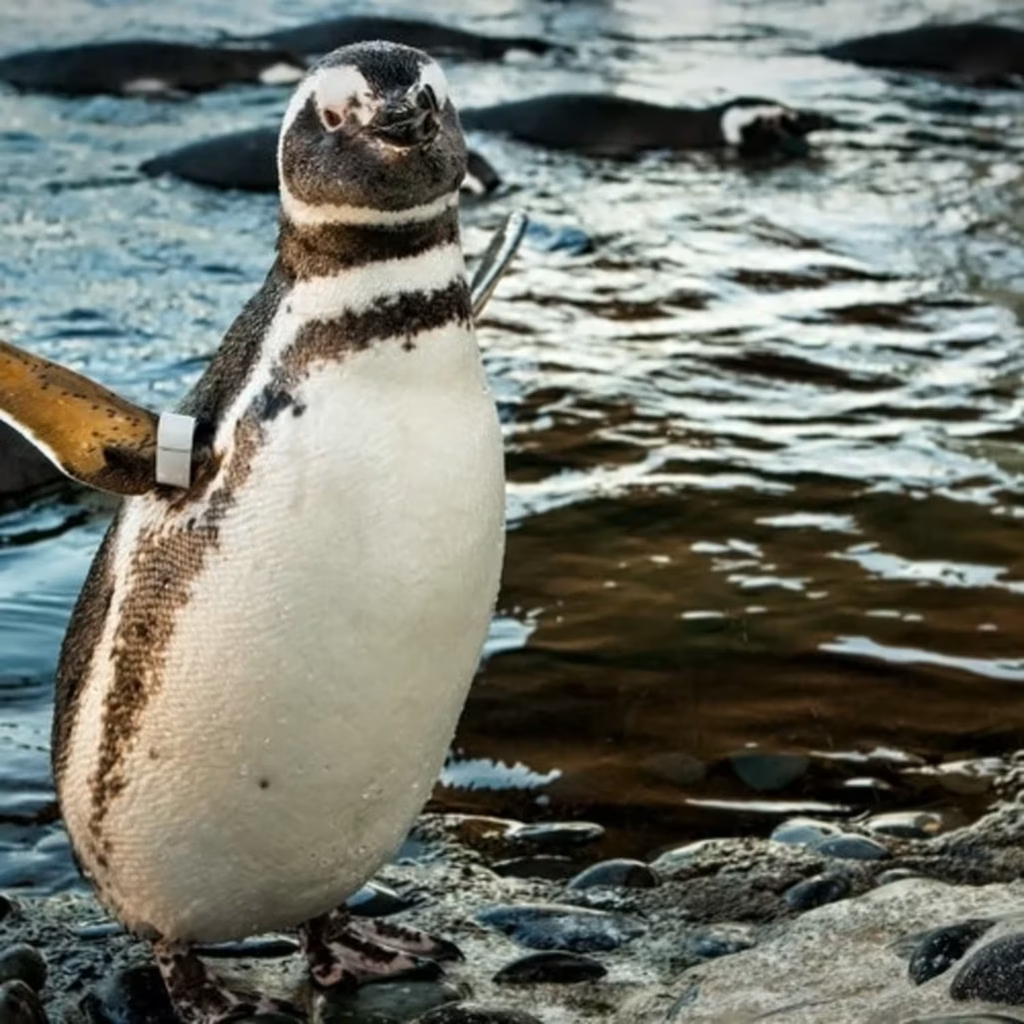
Interact with touchpools and visit special habitats like the Lorikeet Forest and Penguin area.

Watch a film and enter the Pacific Visions exhibit.
Shark Lagoon: key facts

Shark Lagoon opened in 2002, four years after the Aquarium itself opened in June 1998.

It is an outdoor exhibit covering 10,000 square feet.

The large touch pool is home to bamboo sharks, epaulette sharks, fiddler rays and cownose rays.

The big shark habitat holds the Aquarium's largest sharks, including a blacktip reef shark, a sand tiger shark and a zebra shark.

Shark Lagoon is home to dozens of sharks and rays, part of more than 12,000 animals across the Aquarium.

The Aquarium has more than 100 exhibits, and its major exhibits range from about 5,000 to 350,000 gallons.

The touch pools are included with general admission, together with the rest of the Aquarium's touch areas.

What lives in Shark Lagoon

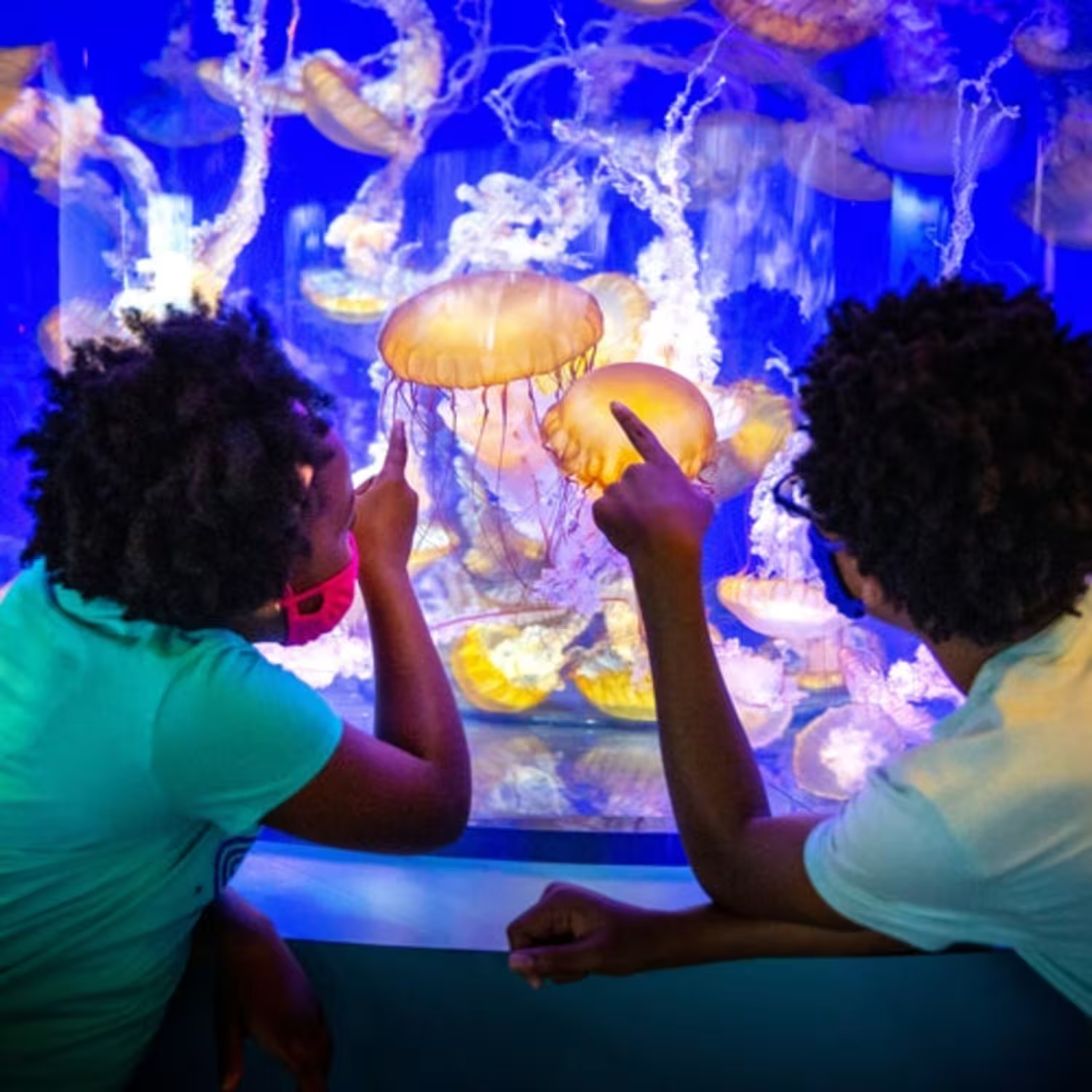
Marine life at the Aquarium of the Pacific

Shark Lagoon is split between watching and touching. The large habitat is where the Aquarium keeps its largest sharks, described by the Aquarium as several species of the ocean's top predators. Among them are a blacktip reef shark, a sand tiger shark and a zebra shark, sharing the water with a reticulate whiptail ray.

A viewing window lets you come nose-to-nose with zebra and grey reef sharks without getting wet, which is the best spot for younger children who are not ready for the touch pools. Interactive displays around the exhibit explain how sharks sense their prey, their sizes and teeth, how they reproduce and the role they play in the ocean food chain.

The animals are fed during the Aquarium's daily presentations and feedings, so check the presentation times for your date when you arrive. If you cannot visit in person, the Shark Lagoon Cam streams the big habitat online through explore.org, a division of the Annenberg Foundation.

How the touch pools work

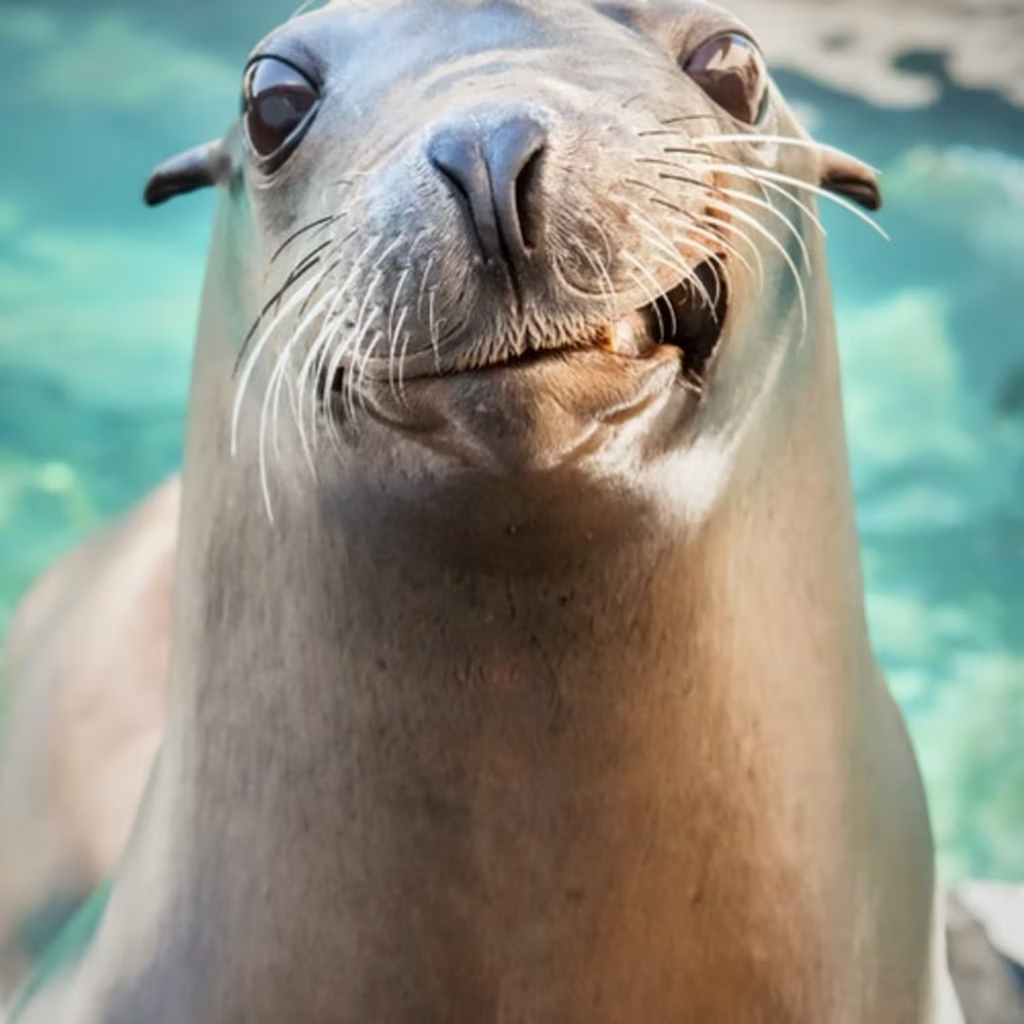
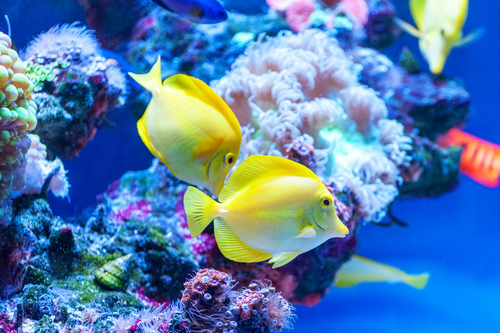
Exhibit at the Aquarium of the Pacific, Long Beach

The touch pools are the reason Shark Lagoon is so popular. They are shallow pools where bamboo sharks and epaulette sharks swim within reach, and the large touch pool is now also home to fiddler rays and cownose rays.

Bamboo and epaulette sharks are small sharks, which makes them ideal for a first touch. Reach in calmly and use a gentle two-finger touch as an animal glides past, the way the Aquarium's own touch-pool photos show it.

The Aquarium asks every visitor to follow its Code of Conduct, and that applies at the touch pools too.

The Moon Jelly Touch Lab on the Harbor Terrace, which overlooks Rainbow Harbor, adds a second touch experience, so you can compare the feel of a ray with a jelly in the same visit.

Animal Encounter: Sharks and Rays

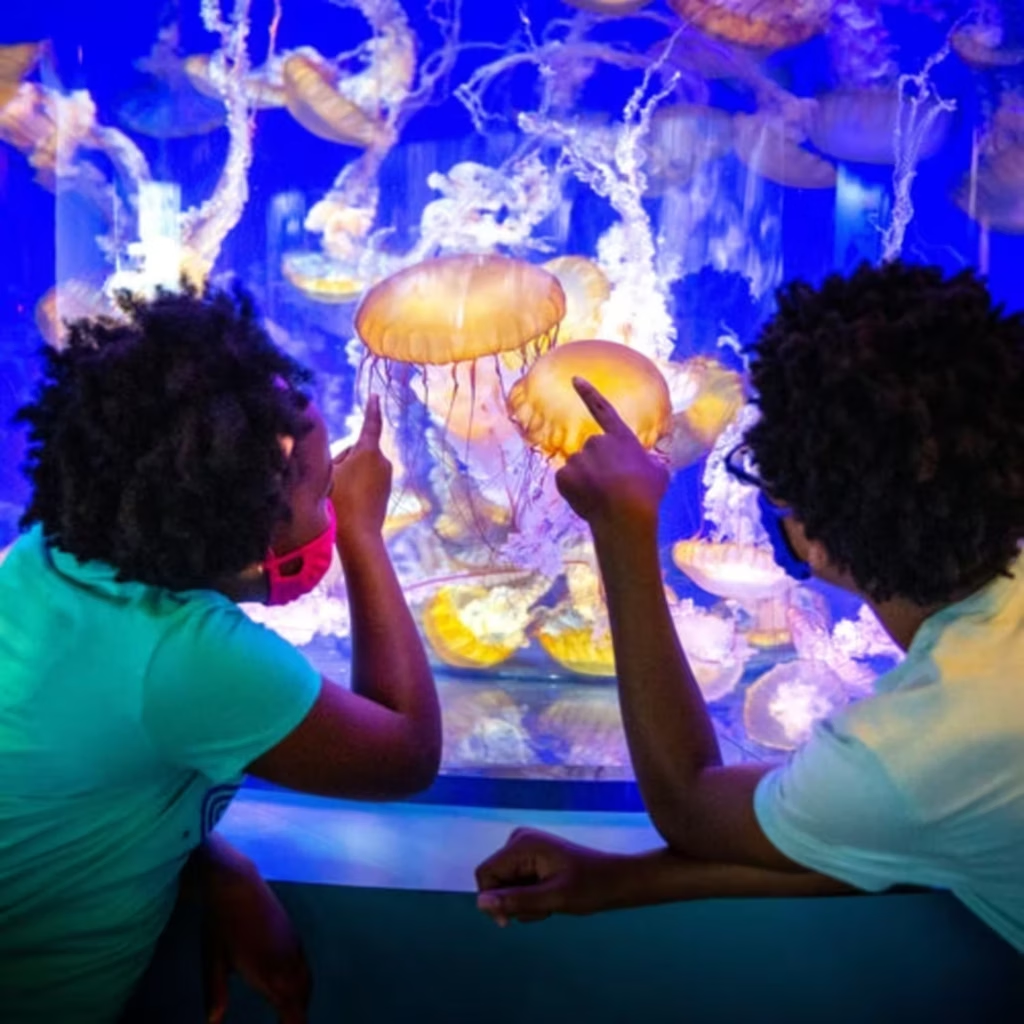
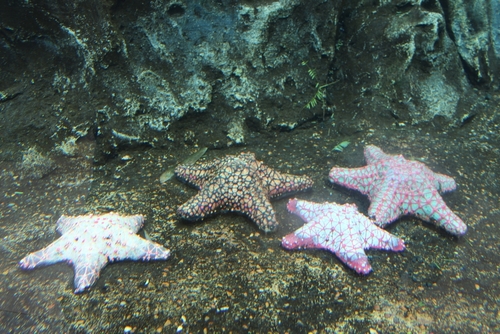
Visitors at the Aquarium of the Pacific

For a closer look, the Aquarium runs Animal Encounter: Sharks and Rays, a private program held before the Aquarium opens to the public. With an Aquarium educator and animal care staff you go into the Shark Lagoon touch pools, feed the sharks and walk among the rays in a pool 18 inches deep.

The encounter is limited to 2 to 4 participants from the same household. Guests must be at least 4 feet 6 inches tall, and anyone under 16 must be accompanied by a ticketed adult who is also taking part. Water booties and a towel are provided, you will get wet, so wear shorts, and underwater cameras are allowed under staff supervision if you tell staff when you arrive.

It is a separate paid program that the Aquarium books directly, at least 48 hours in advance, and its fee includes general admission. It is not part of the general admission ticket, which already includes the public touch pools.

Fitting Shark Lagoon into your visit

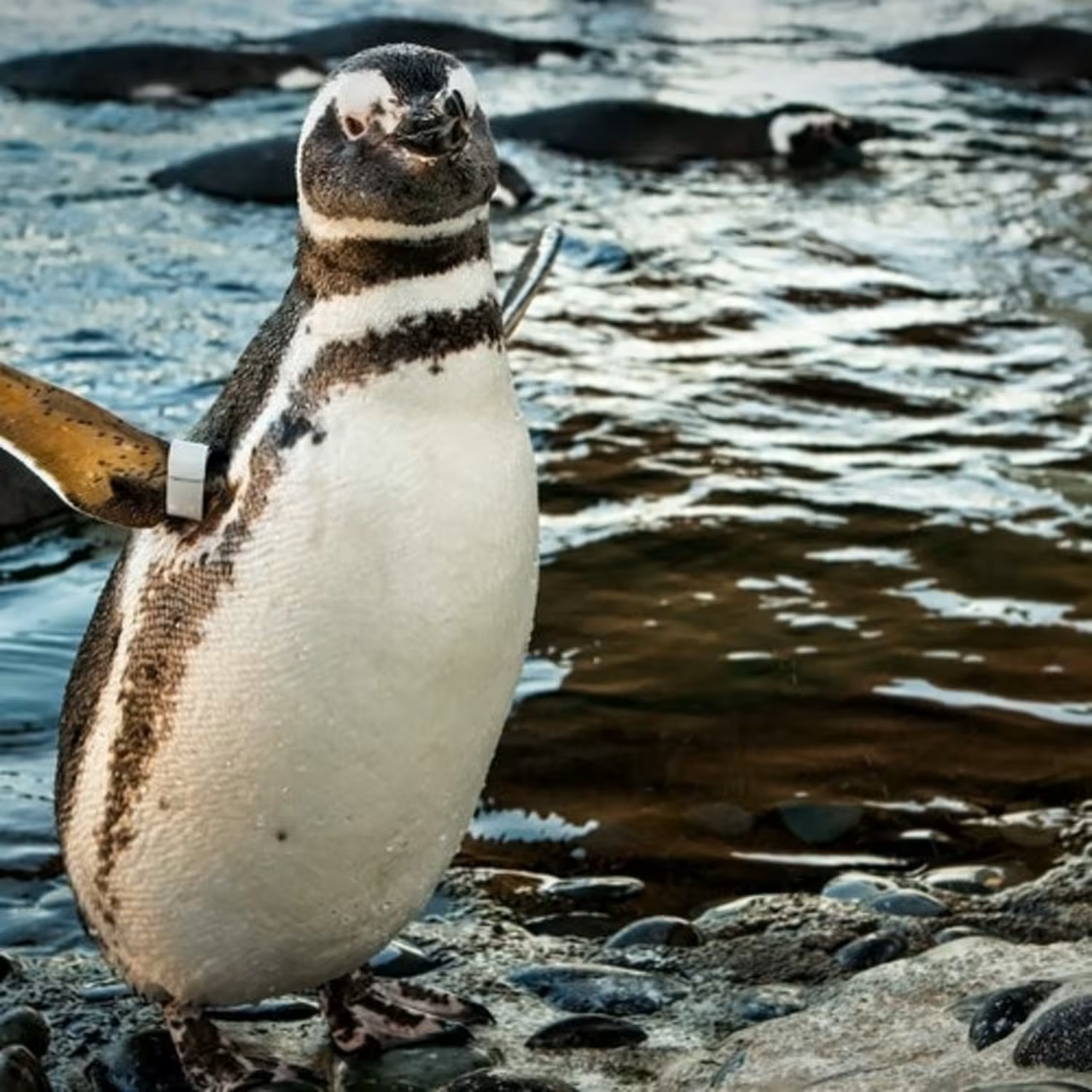
Ocean animals at the Aquarium of the Pacific

Shark Lagoon is an outdoor area next to the Lorikeet Forest aviary, and it has its own amphitheater for presentations, the Pacific Treasures gift store and the Bamboo Bistro café, so you can take a break without leaving the area.

Because it is outside, plan Shark Lagoon around the weather and the crowds: the indoor galleries make a good contrast before or after. Our skip-the-line ticket gives you priority admission, access to all exhibit areas, galleries and habitats, the interactive touch pools, the Lorikeet Forest and the June Keyes Penguin Habitat, plus a feature film and the Pacific Visions wing. Your ticket allows entry at any time on or after the reserved start time on the day you booked, so you can head straight for Shark Lagoon before the pools get busy.

Visiting Shark Lagoon with children

Children under 3 enter free and do not need a ticket. Check the age bands / ticket options shown when you book, as they tell you who needs a ticket.

The Aquarium is wheelchair accessible, and baby carriers can be borrowed at the venue.

Smaller children can watch the sharks through the viewing window if they are not ready for the touch pools.

For the paid shark and ray encounter, participants must be at least 4 feet 6 inches tall, and under-16s need a participating adult.

Outside food and pets are not allowed inside, except service dogs.

There are no lockers on site, so bring only what you are happy to carry around the outdoor exhibits.

Quick tips before you go

Go to Shark Lagoon soon after you enter, before the touch pools get crowded.

Use a gentle two-finger touch as the animals glide past.

Check the presentation schedule on arrival for feeding times.

Tripods are not allowed; personal photos and videos are fine.

Book the Sharks and Rays encounter with the Aquarium at least 48 hours ahead.

Combine Shark Lagoon with more of Los Angeles

Shark Lagoon is a short walk from Rainbow Harbor, where whale and dolphin cruises leave from Long Beach. Browse Los Angeles cruises and more zoos and aquariums in Los Angeles, or add a museum day at the Natural History Museum of Los Angeles County. When you are ready, choose your entry on the Aquarium of the Pacific page.

Shark Lagoon at the Aquarium of the Pacific: FAQs

What is Shark Lagoon at the Aquarium of the Pacific?

Shark Lagoon is an outdoor exhibit of 10,000 square feet at the Aquarium of the Pacific in Long Beach. It has a large habitat with the Aquarium's largest sharks and shallow touch pools with smaller sharks and rays.

Can you touch the sharks at the Aquarium of the Pacific?

Yes. In the Shark Lagoon touch pools you can touch bamboo sharks and epaulette sharks, as well as fiddler rays and cownose rays. Use a gentle two-finger touch and follow the Aquarium's Code of Conduct.

Is Shark Lagoon included with admission?

Yes. Shark Lagoon and its touch pools are part of general admission, and our skip-the-line ticket includes entry to the interactive touch pool areas.

What sharks live in Shark Lagoon?

The big habitat holds the Aquarium's largest sharks, including a blacktip reef shark, a sand tiger shark and a zebra shark, plus grey reef sharks you can see through the viewing window. Bamboo and epaulette sharks live in the touch pools.

How many sharks are in Shark Lagoon?

Shark Lagoon is home to dozens of sharks and rays. The Aquarium as a whole has more than 12,000 animals in more than 100 exhibits.

When did Shark Lagoon open?

Shark Lagoon opened in 2002. The Aquarium of the Pacific itself opened in June 1998.

Can I feed the sharks?

Feeding the sharks is part of Animal Encounter: Sharks and Rays, a paid program held before the Aquarium opens to the public. It is booked with the Aquarium at least 48 hours ahead and includes general admission.

Are there age or height limits for the shark encounter?

Participants must be at least 4 feet 6 inches tall, and anyone under 16 must be accompanied by a ticketed adult who is also taking part. Groups are 2 to 4 people from the same household.

Is Shark Lagoon indoors or outdoors?

Shark Lagoon is outdoors, next to the Lorikeet Forest aviary. It has its own amphitheater, the Pacific Treasures gift store and the Bamboo Bistro café.

Do young children need a ticket?

Children under 3 enter free and do not need a ticket. Check the age bands and ticket options shown when you book.

Can I watch Shark Lagoon online?

Yes. The Shark Lagoon Cam streams the large shark habitat online through explore.org, a division of the Annenberg Foundation.

About this guide

Sources: Aquarium of the Pacific, Shark Lagoon; Aquarium of the Pacific, Touch Experiences; Aquarium of the Pacific, Animal Encounter: Sharks and Rays; Aquarium of the Pacific, Shark Lagoon Cam; Aquarium of the Pacific, Historical Timeline; Aquarium of the Pacific, 2024 Fact Sheet; NBC Los Angeles, It's Always Shark Week at the Aquarium of the Pacific.